 Schedule a Tour
The Doliver of Tanglewood
Rehabilitation vs Nursing Home in Houston, TX: Navigating the Right Next Step After Recovery
For families in Tanglewood and across Houston, conversations about post-hospital care are rarely casual. They are thoughtful, often urgent, and deeply personal. A loved one has been hospitalized. Discharge planners recommend rehabilitation or skilled nursing. Decisions must be made quickly, while balancing medical needs, privacy, lifestyle expectations, and long-term planning.
The terms are frequently presented together, yet rehabilitation vs nursing home care represent two very different clinical paths. Understanding that distinction allows families to move forward with clarity rather than pressure.
This guide will help Houston families understand:
- What post-acute rehabilitation is designed to accomplish
- What nursing homes (skilled nursing facilities) provide
- The differences in medical intensity, length of stay, and overall goals
- What typically happens once rehabilitation concludes
- When assisted living may be the appropriate next step for comfort and stability
Rehabilitation vs Nursing Home: What’s the Fundamental Difference?
At its core, the difference between rehabilitation vs nursing home care lies in purpose. Post-acute rehabilitation focuses on short-term recovery after illness, injury, or surgery. A nursing home, also known as a skilled nursing facility, provides ongoing, 24-hour medical care for individuals with complex or chronic health conditions.
In Houston hospitals, families often hear both options discussed during discharge planning. The appropriate setting depends on:
- The expected trajectory of recovery
- Overall medical stability
- The duration of care required
When recovery is anticipated and improvement is measurable, rehabilitation is typically recommended. When long-term clinical oversight is required, skilled nursing may be necessary.
Understanding this distinction prevents families from over-medicalizing a situation when a residential senior living environment may be the more appropriate next step.
What Is Post-Acute Rehabilitation Designed to Accomplish?
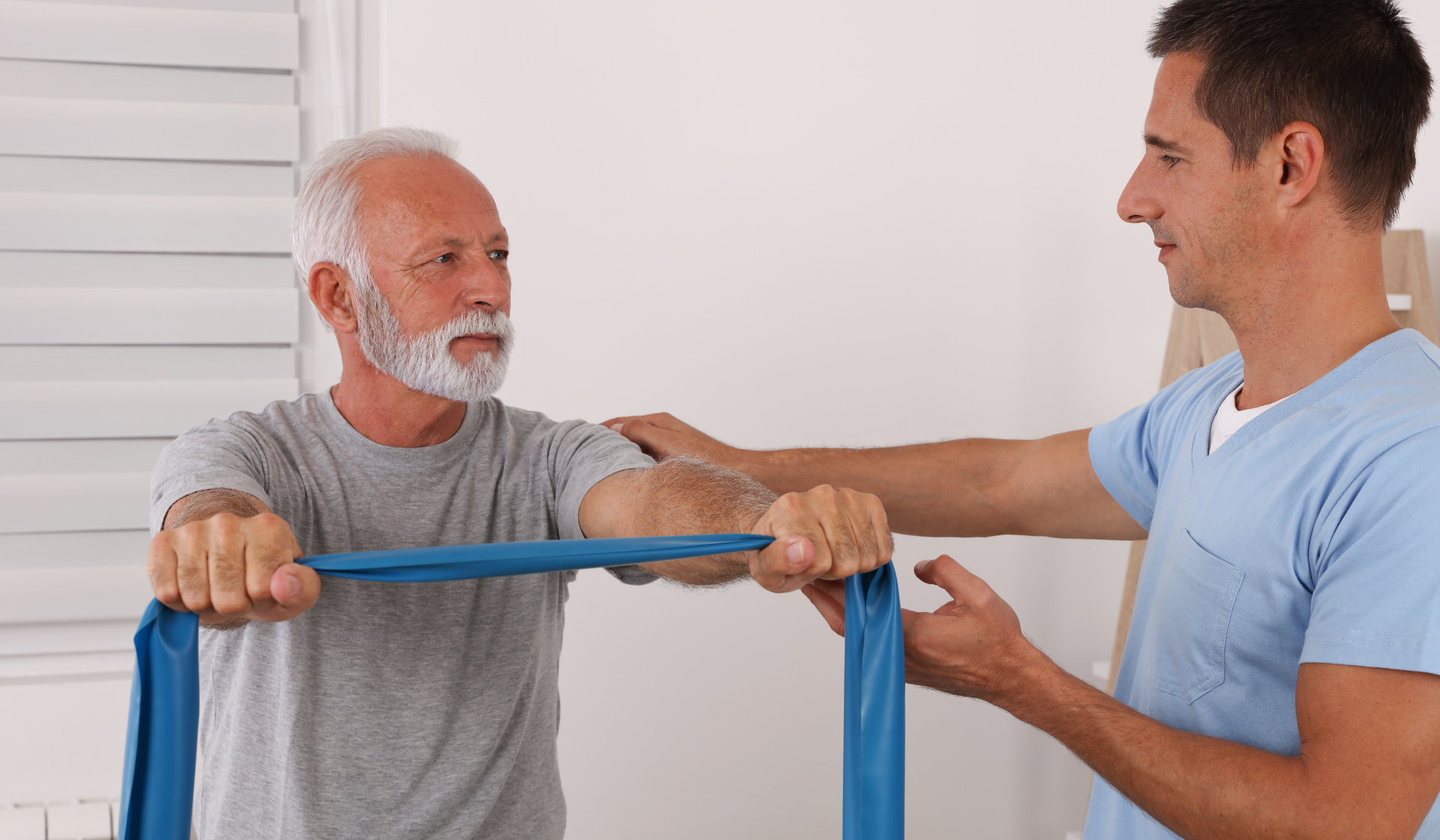
Post-acute rehabilitation provides short-term therapy and nursing support to help individuals regain strength, mobility, and independence following a hospital stay.
Rehabilitation is goal-oriented and temporary. Therapy sessions are often intensive and scheduled multiple times per week. Clinical teams monitor progress closely, adjusting treatment plans as milestones are met. The objective is clear: restore function to the highest possible level and transition the individual home or to a lower level of care.
Rehabilitation is not intended to serve as a permanent residence. It is a focused recovery phase with a defined exit plan.
When Do Physicians Typically Recommend Rehabilitation?
Rehabilitation is commonly recommended in the following situations:
- Recovery after orthopedic or cardiac surgery
- Stroke or neurological recovery
- Mobility restoration following a fall
- Short-term strengthening after serious illness
In each case, improvement is anticipated, and discharge planning begins early. The entire structure of rehabilitation is built around measurable progress and transition.
What Is a Nursing Home (Skilled Nursing Facility)?
A nursing home, also referred to as a skilled nursing facility, provides continuous licensed nursing care and medical supervision for individuals who cannot safely live independently due to complex or ongoing health conditions.
Nursing homes are appropriate when medical needs are advanced or unstable. Care delivery is clinically driven, and oversight remains consistent throughout the day and night. Length of stay may be extended or indefinite, depending on health status.
In the Houston area, skilled nursing is typically recommended when recovery potential is limited or when medical oversight must remain constant.
Who Typically Needs Long-Term Skilled Nursing Care?
Long-term skilled nursing care may be appropriate for:
- Individuals with advanced or unstable medical conditions
- Those requiring frequent nursing interventions
- People unable to safely manage daily activities
- Individuals needing continuous medical supervision
The distinction here is important. Skilled nursing environments are clinical by nature, while residential senior living communities are lifestyle-driven and hospitality-focused.
Rehabilitation vs Nursing Home Care: A Clear Side-by-Side Comparison
Families often benefit from viewing the decision through a structured comparison:
| Category | Rehabilitation (Post-Acute Care) | Nursing Home (Skilled Nursing) |
| Primary Purpose | Short-term recovery | Long-term medical care |
| Length of Stay | Temporary | Often long-term |
| Medical Intensity | Moderate, recovery-focused | High, ongoing |
| Therapy Services | Frequent and goal-driven | Limited or maintenance |
| Living Environment | Clinical, transitional | Medical-focused |
| Discharge Goal | Return home or lower care | Continued medical support |
| Best Fit For | Patients expected to improve | Patients with chronic needs |
Many individuals complete rehabilitation successfully and then reassess what living arrangement best supports their future.
What Happens After Rehabilitation Ends?
Once therapy goals are achieved, families face a pivotal question: Is returning home safe and sustainable? Is skilled nursing still medically necessary? Or would assisted living provide the right balance of independence and support?
For many medically stable individuals, assisted living offers a thoughtful step down from clinical recovery. It provides assistance with daily activities, medication oversight, and structured support, within a residential, hospitality-driven environment.
How Assisted Living Supports the Next Chapter After Recovery in Tanglewood
The Doliver of Tanglewood does not provide rehabilitation or skilled nursing. Instead, it supports residents who are medically stable but benefit from ongoing assistance.
Assisted living at The Doliver provides:
- Personalized support tailored to individual needs
- Medication management to maintain consistency after hospitalization
- Discreet assistance that preserves independence and dignity
- A refined residential setting that restores normalcy
The Doliver reflects the vibrant, multicultural character of Houston. Residents enjoy chef-inspired dining, beautifully designed residences with granite kitchens, an outdoor pool, theater, fitness center, salon and spa, and 24/7 concierge services. The environment feels modern, active, and youthful—aligned with discerning families who expect high standards.
For those whose cognitive needs evolve, Memory Care is available within the same trusted community, allowing for continuity and stability.
Learn more about assisted living in Houston, TX at https://doliveroftanglewood.com/.
How Do Houston Families Know Which Path Is Most Appropriate?
Determining the right next step requires evaluating:
- Medical stability following rehabilitation
- Completion of therapy goals
- Ability to manage daily tasks safely
- The need for ongoing medical supervision
- Desire for an engaging, residential lifestyle
Uncertainty is natural. Families benefit from focusing on long-term comfort, dignity, and quality of life rather than short-term urgency.
Exploring Senior Living Options at The Doliver of Tanglewood in Houston
Rehabilitation supports recovery. Nursing homes provide ongoing medical care. Assisted living supports daily life once recovery stabilizes.
For families in Tanglewood and greater Houston, The Doliver of Tanglewood offers a refined assisted living following rehabilitation. It is a place where residents maintain comfort, connection, and independence within a culturally inclusive, boutique environment.
To discuss next-step planning or schedule a private tour, contact The Doliver of Tanglewood at (713) 804-6664.
FAQ
Can someone move directly from rehabilitation into assisted living?
Yes. Many individuals transition directly into assisted living once they are medically stable and have completed their therapy goals.
How does assisted living support long-term recovery and wellness?
Assisted living provides routine, medication oversight, daily support, and engaging Life Enrichment programs that promote physical and emotional well-being.
What should families prioritize when choosing the next step after rehab?
Families should evaluate medical stability, safety, lifestyle preferences, privacy, and long-term planning goals when selecting the most appropriate environment.
Helpful Links for Senior Living
Related Reading
- Memory Care vs Assisted Living: Everything You Need to Know About Senior Living Options
- How Much Does Assisted Living Cost at The Doliver of Tanglewood in Houston, TX?
- The Science of Living Life Well: The Data Behind Better Senior Living
The Doliver at Tanglewood is proudly part of the Aspenwood Senior Living family. Our senior living community in Houston, TX is designed to support independence, comfort, and meaningful connection. With beautifully appointed residences, engaging activities, and personalized services, we reflect Aspenwood’s commitment to helping every resident Live Life Well®. We are proud that the following communities are also part of The Aspenwood Company’s senior living family: Village on the Park Stonebridge Ranch, Village on the Park Plano, The Doliver of Tanglewood, Village of the Heights, Village on the Park Denton, Village of Meyerland, Village on the Park Bentonville, Wood Glen Court, Spring Creek Village, and Village on the Park Rogers. No matter which community you choose, our shared goal is to help each resident feel safe, valued, and at home.